Heathrow area removals restricted zones what to know
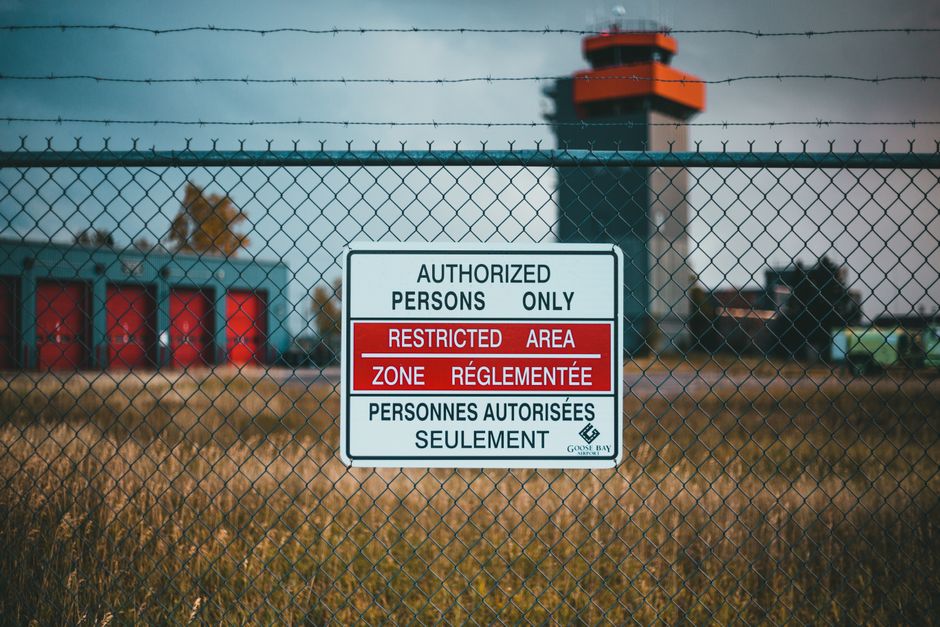
Moving near Heathrow can feel simple on a map and then, suddenly, complicated on the ground. Roads narrow, access rules change, parking disappears, and a van that looked fine in theory turns into a headache in practice. If you are searching for Heathrow area removals restricted zones what to know, you are probably trying to avoid exactly that kind of last-minute chaos.
The good news? With the right planning, most of the usual problems can be handled before moving day. The key is understanding how restricted zones affect vehicle access, waiting times, loading spots, route planning, and the timing of the move itself. In this guide, we will walk through the practical side of moving around Heathrow, what tends to catch people out, and how to prepare so your move runs smoothly rather than by guesswork. A little prep goes a long way. Honestly, it saves a lot of stress.
Why Heathrow area removals restricted zones what to know Matters
Heathrow is not a typical residential moving area. It sits beside one of the busiest transport corridors in the country, with a mix of airport traffic, local roads, service access, delivery pressure, and neighbourhood streets that can become tight at the worst possible moment. For removals, that means what looks like a short journey can become a logistics job.
Restricted zones matter because they affect three things at once: where a vehicle can stop, how long it can stay there, and whether it can get in and out without causing delay. If you ignore those limits, you can end up with double parking, blocked access, a rushed load, or extra charges for waiting time. Nobody wants to discover that at 8:15 in the morning when the kettle is still cold and the first box is still unlabelled.
There is also a trust issue. A mover who understands Heathrow-area access will ask the right questions early: Is there a loading bay? Is the building on a restricted road? Can a larger van turn safely? Is there a time window for access? Those questions are not fuss for the sake of it. They are what separates a controlled move from a messy one.
Practical takeaway: in Heathrow-area moves, access planning is not a nice extra. It is part of the move itself, just like packing, lifting, and transport.
How Heathrow area removals restricted zones what to know Works
The phrase "restricted zones" covers a few different realities. Sometimes it means roads with time-based entry limits. Sometimes it means areas where stopping is limited. Sometimes it refers to private roads, airport-adjacent access controls, or narrow streets where the real restriction is physical rather than legal. In practice, you need to think about all of them together.
Here is the basic flow. First, the pickup and delivery addresses are checked for access constraints. Then the mover works out whether a standard van, smaller van, or a two-person carry strategy is better. After that comes timing. Early morning slots can help, but only if the property and road network actually allow it. Midday can be easier in some streets, but not if the road is busier with traffic and deliveries. It is a balancing act, to be fair.
For Heathrow-area removals, the most common operational questions are:
- Can the van legally stop close enough to load safely?
- Will the route avoid the worst congestion around airport roads and local pinch points?
- Is there enough space for a full furniture load, or should items be moved in stages?
- Are there building rules, concierge restrictions, or timed access windows?
- Will parking or waiting costs apply if the slot is not available right away?
That is why people often combine move planning with broader packing and timing support, such as packing your items before the crew arrives and choosing the best delivery time for your schedule. These details sound small, but in a restricted zone they are often the whole game.
Key Benefits and Practical Advantages
When restricted zones are handled properly, the move becomes calmer, safer, and usually more efficient. That sounds obvious, but in moving terms it really matters. A little access planning can save an awful lot of lifting, re-parking, and awkward back-and-forth.
Some of the clearest benefits are:
- Less wasted time: the crew knows where to stop and what to expect.
- Lower risk of damage: fewer hurried carries and fewer unnecessary manoeuvres.
- Better cost control: less waiting and fewer surprises linked to delays.
- Safer lifting: shorter walking distances and clearer load routes reduce strain.
- Less neighbour friction: a tidy loading plan is less likely to annoy nearby residents or businesses.
There is also a mental benefit. People often underestimate how much easier a move feels when the van is parked legally, the boxes are labelled, and the route is sorted. You will notice it straight away. The noise level drops, the day feels more controlled, and everyone works better.
If you are comparing service types, you may also want to look at broader support such as man and van services in Hounslow, man with van support, or a dedicated removal van for larger loads. The right vehicle choice can make restricted-zone access much easier.
Who This Is For and When It Makes Sense
This topic is not just for huge house moves. Restricted-zone planning matters for plenty of everyday situations around Heathrow and the surrounding roads.
- Home movers: especially if you are moving from flats, terraces, or homes on busy access roads.
- Students and renters: if you are moving into a place with limited parking or strict building rules.
- Office movers: where access windows are short and downtime needs to be minimal.
- Furniture-only moves: when you are collecting one or two bulky items and need a safe loading point.
- Last-minute movers: if a same-day move has to happen with very little notice.
It also makes sense when your property is near locations where roads are often busy, turning space is limited, or access is shared with commercial traffic. If that sounds familiar, a more tailored service may be worth considering. For example, house removals in Hounslow are better suited to full household moves, while flat removals are often the better fit for tight stairs, shared entrances, and awkward parking.
And yes, if you are staring at a sofa with a measurement tape and muttering under your breath, you are not alone. Happens all the time.
Step-by-Step Guidance
Good Heathrow-area moving prep is mostly about removing guesswork. Here is a practical step-by-step approach that works well.
- Check both addresses for access issues. Look at road width, one-way systems, loading restrictions, and whether a vehicle can stop close to the entrance.
- Measure the bulky items. Sofas, wardrobes, beds, and desks often matter more than box volume. One awkward item can change the vehicle plan.
- Confirm timing windows. Some buildings only allow access at certain hours. Do not assume flexibility.
- Decide on the vehicle type. A larger van may reduce trips, but a smaller van may be easier in restricted streets.
- Prepare the loading route. Clear hallways, doors, and any shared entry space so the crew can move quickly and safely.
- Label and stage the boxes. Keep essentials separate. Put the things you need first in one easy-to-reach group.
- Communicate special instructions early. If there is a gate code, concierge desk, narrow alley, or arrival window, say so in advance.
- Plan for parking or waiting contingencies. If a legal space is unavailable, know what the fallback option is.
A small thing, but useful: if you are moving a piano, fragile heirlooms, or awkward furniture, the planning becomes even more important. In those cases, specialist services like piano removals or furniture removals in Hounslow can be worth the extra structure.
Expert Tips for Better Results
There are a few patterns that come up again and again in Heathrow-area moves. The jobs go better when people do these things early, not on the morning itself.
Choose the smallest practical vehicle, not automatically the biggest
Larger is not always better. In restricted zones, a slightly smaller van can be easier to position legally and more likely to reach the front door or loading point without drama.
Build a time buffer into the plan
Traffic around Heathrow can move strangely. One stretch is fine, then everything slows. Give yourself breathing room. Even 20 or 30 minutes can make a difference when the road layout gets awkward.
Keep one person focused on access
If several people are moving boxes, somebody should still be watching the parking situation, the route, and the door access. That person saves a lot of confusion. Tiny role, big payoff.
Use the move inventory to identify risk
When the inventory is clear, the mover can tell where the sensitive parts are: glass, oversized wardrobes, heavy appliances, or items needing disassembly. That helps shape the loading order and vehicle selection.
Ask about charges before the day arrives
Waiting time, extra labour, parking, and difficult access can all affect the price. A straightforward quote conversation now is much better than a surprised phone call later. For deeper pricing context, pricing and quotes and how to avoid hidden charges on man and van quotes are useful reading.
Common Mistakes to Avoid
Restricted-zone moves tend to go wrong in a few predictable ways. The tricky part is that the mistakes feel minor right up until they are not.
- Assuming parking will be easy: "There's usually space there" is not a plan.
- Ignoring height and width limits: some routes are passable for cars but not for moving vans.
- Leaving access checks until the day: that is usually where stress begins.
- Underestimating stairs and carrying distance: a short road distance can still mean a long manual carry.
- Forgetting building rules: some blocks need prior notice for lifts, service entrances, or concierge access.
- Packing too late: last-minute boxing creates clutter and slows down loading.
- Not planning around peak traffic: especially near transport-heavy routes and airport-adjacent roads.
Another common issue is assuming one service type fits every move. It does not. A student move, for instance, is usually best handled differently from an office relocation or a full household transfer. If you need a lighter, more flexible setup, student removals in Hounslow or office removals may be a better fit.
Tools, Resources and Recommendations
You do not need fancy software to manage a restricted-zone move. You do need a clear method, a few practical checks, and the discipline to write things down.
Useful things to prepare include:
- A floor plan or sketch: very simple is fine.
- A room-by-room inventory: especially for larger furniture and fragile items.
- Measurements of doors, stairwells, and larger items: surprisingly often overlooked.
- Photos of entrance points and street access: useful if you are getting advice remotely.
- Arrival instructions: gate codes, concierge details, loading bay rules, or any timed entry limits.
- Box labels: room names, priority boxes, and fragile markings.
If you are still deciding between options, a service overview can help you match the right support to the job. See the services overview and, if storage is part of the move, storage in Hounslow. Temporary storage can be very handy when the moving date and the access date do not line up neatly. And they often do not. Life likes to add a wrinkle.
If you are comparing vehicles and support styles, you might also find man and a van, man with a van, and removal services useful for understanding how much help you actually need.
Law, Compliance, Standards, or Best Practice
For Heathrow-area removals, the safest approach is to treat local access rules, parking restrictions, and building requirements seriously. That does not mean you need to become a traffic-law expert. It does mean you should avoid casual assumptions about stopping, waiting, or unloading.
Best practice usually includes:
- checking whether a vehicle can legally stop at the property
- confirming any time-restricted access or loading rules
- making sure the mover understands the site before arrival
- keeping the load safe, balanced, and properly secured
- following health and safety expectations for lifting and carrying
For customers, this also means being clear and honest about the conditions on site. If there is no nearby parking, say so. If the entrance is shared, say so. If there is a narrow staircase, say so. It sounds basic, but basic is powerful here. A lot of moving problems are really communication problems wearing a disguise.
If you are worried about responsibility, safety, or what happens if something goes wrong, it is sensible to review insurance and safety information, health and safety policy details, and terms and conditions before you book.
Options, Methods, or Comparison Table
There is no single best move method for every restricted-zone property. The right choice depends on access, load size, timing, and how much manual carrying is involved.
| Move method | Best for | Strengths | Trade-offs |
|---|---|---|---|
| Small van with more trips | Very tight access or narrow roads | Easier parking, more flexible positioning | May take longer overall |
| Standard removal van | Typical household moves with manageable access | Good balance of capacity and efficiency | Needs enough stopping space |
| Man and van support | Smaller moves, single rooms, furniture collection | Flexible, simple, often faster to arrange | Not ideal for large full-house moves |
| Full removal service | Whole-home or complex relocation | More structured, better for heavy loads and planning | Usually more involved to organise |
| Storage-first move | Moves split over different dates | Reduces pressure when access or completion is uncertain | Requires extra coordination |
In Heathrow-area restricted zones, the "best" option is often the one that reduces time spent hunting for space. Not glamorous, maybe, but effective. If your move is urgent, you may also want to consider same day removals or even a broader look at same-day availability and pricing before committing.
Case Study or Real-World Example
Here is a realistic example from the kind of move that often happens near Heathrow. A couple were leaving a two-bedroom flat with a shared entrance and limited street parking. The building had no private loading bay, and the road was busy enough that a casual stop would have been awkward and probably short-lived.
Instead of turning up and hoping for the best, they measured the larger items in advance, confirmed the lift size, and prepared all boxes the day before. The mover used a smaller van rather than a larger one, which made positioning easier. One person stayed in contact at the entrance while the other directed the flow of boxes from inside the flat. Nothing dramatic happened. Which, in moving terms, is a compliment.
The result was not faster because it was rushed. It was faster because the access plan was realistic. The crew did not waste time repositioning the vehicle, and the family did not spend the day worrying about whether the van was blocking something important. A calm move. Rare, but very achievable.
That same logic applies if you are moving from a house, a studio, or a business unit. The more awkward the access, the more valuable the planning. If you need help deciding what level of service fits, removals in Hounslow and removal companies are useful starting points for comparison.
Practical Checklist
Use this checklist before moving day. It is not fancy. It just works.
- Confirm the full pickup and delivery addresses.
- Check for restricted roads, timed access, or loading limits.
- Measure bulky furniture and note any awkward items.
- Ask whether a smaller van would be easier for the location.
- Prepare gate codes, concierge details, or entry instructions.
- Clear hallways, stairs, and doorways.
- Label all boxes clearly.
- Separate fragile items and essentials.
- Review parking and waiting risks in advance.
- Confirm the moving window and any building-specific rules.
- Keep your mobile phone charged on the day.
- Have a backup plan if the first parking option is unavailable.
If you are dealing with tricky access around a station or similarly tight area, the advice in tips for removals near Hounslow West Station is also worth a look. The same general principles apply: plan access, reduce uncertainty, and keep the load path clear.
Get a free quote today and see how much you can save.
Conclusion
Heathrow-area moves do not have to be stressful, but they do need a proper access plan. Restricted zones, parking pressure, busy roads, and building rules all affect how a removal actually plays out. Once you understand that, the rest becomes manageable. You choose the right vehicle, pack properly, plan the timing, and make sure the crew knows what they are walking into.
The biggest win is usually not speed. It is control. When the route is clear, the parking is legal, and the move has been thought through, everything feels lighter. Even the small stuff. And in a part of London where traffic and access can be a bit mercurial, control is worth a lot.
If you are preparing a move near Heathrow, take a breath, check the access, and build the plan around reality rather than hope. That one habit makes a huge difference. You will thank yourself on the day.
Frequently Asked Questions
What should I know first about Heathrow area removals restricted zones?
Start with access. Find out whether the property sits on a restricted road, whether stopping is allowed, and whether there is a realistic loading point. Those three things shape the whole move.
Do restricted zones always mean I need a smaller van?
Not always, but smaller vehicles can make manoeuvring and legal stopping easier. The right choice depends on the road layout, load size, and whether a larger van can park safely nearby.
Can I just double park for a quick loading stop?
That is usually a bad idea. Even short stops can cause problems in busy areas, especially near Heathrow where traffic and enforcement can be less forgiving than people expect.
How far in advance should I plan a move in a restricted zone?
As early as possible. Even a few days of preparation helps, but a week or more is better if there are building rules, parking issues, or bulky items to move.
What happens if there is no parking near my property?
The mover may need to use a different loading point, a smaller vehicle, or a longer carry route. In some cases, storage or a split move is the cleaner solution.
Are Heathrow-area removals more expensive?
They can be, if access is difficult, waiting time increases, or extra labour is needed. The best way to keep costs under control is to share access details early and ask about likely charges before booking.
Is same-day moving possible around Heathrow?
Sometimes, yes. But it depends on availability, route conditions, and whether the access issues can be handled without delay. For urgent moves, it is worth checking same-day removals in Hounslow.
What if my flat has a lift but the street is still restricted?
Then the street access is still the main issue. A lift helps inside the building, but it does not remove the need for a legal loading point or workable route for the van.
Should I book full removal services or just a man and van?
That depends on load size and complexity. A man and van setup works well for smaller jobs, while fuller removal services are better for larger homes, heavier furniture, or more complicated access.
What documents or details should I have ready before moving day?
Have the address, access instructions, parking notes, building contact details if relevant, and a short inventory of the larger items. It sounds basic, but it keeps everything moving.
How do I reduce the chance of delays near Heathrow?
Book an appropriate vehicle, avoid peak-time surprises where possible, pack early, and be upfront about access restrictions. Clear communication removes a lot of friction.
Can storage help with a restricted-zone move?
Yes. If timing, access, or completion dates do not line up neatly, storage can make the move much easier and less rushed.